Here's a question I get asked more than almost anything: "So what do you actually do?" We're not just an AV company. We're not just artists. We're somewhere in between, in a space the industry is still figuring out how to name. The closest term is experiential design, and once you get it, you start seeing it everywhere.
Experiential design is designing how people feel in a space. Not just what they see or hear. The full experience of being somewhere, that moment when a room makes you hold your breath, or smile without knowing why, or pull out your phone because you've genuinely never seen anything like it.
It's the difference between putting a TV on a wall and creating something people remember.
Beyond Traditional AV
Traditional AV is about function. You need a screen in a conference room? Done. Speakers in a restaurant? No problem. That work matters, it keeps businesses running. But honestly, it's plumbing. Essential, invisible, nobody thinks about it.
Experiential design starts from the opposite direction. Instead of "what equipment do you need?" we ask "how do you want people to feel when they walk through this door?" That one question changes everything. It moves the conversation from hardware specs to human emotion. From cable runs to storytelling. From installation to experience.
The best experiential spaces live at the intersection of three things: art, technology, and storytelling. Art brings the vision and the beauty. Technology brings the tools and the scale. Storytelling brings the meaning, the reason someone stops, pays attention, and remembers. Miss any one of those three, and you end up with a pretty screen, a tech demo, or a cool idea that never became real.
What Experiential Design Looks Like
It takes different forms depending on the space, but the common thread is always the same: the space itself becomes the medium. Let me give you some examples from our work and the broader industry.
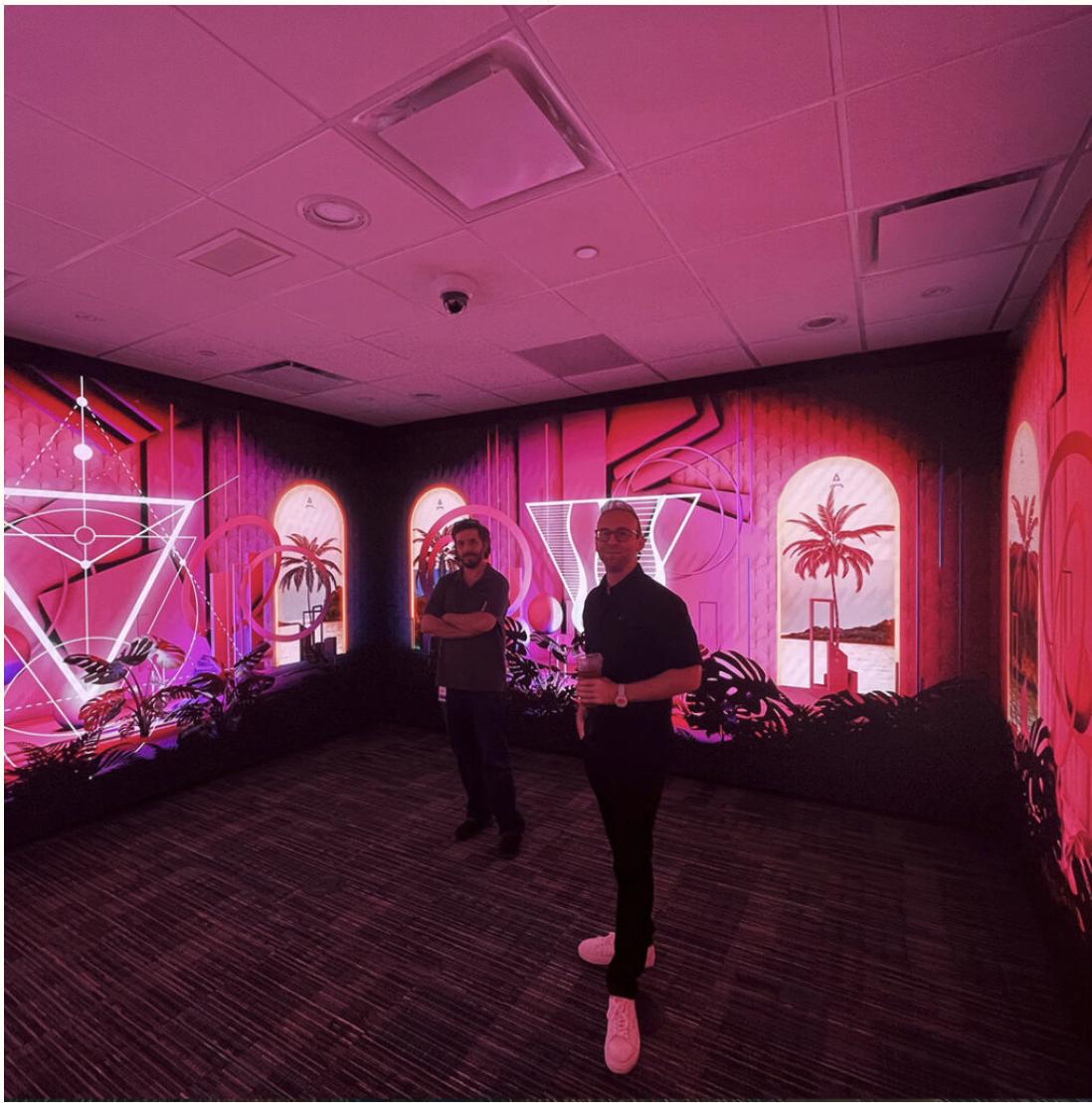
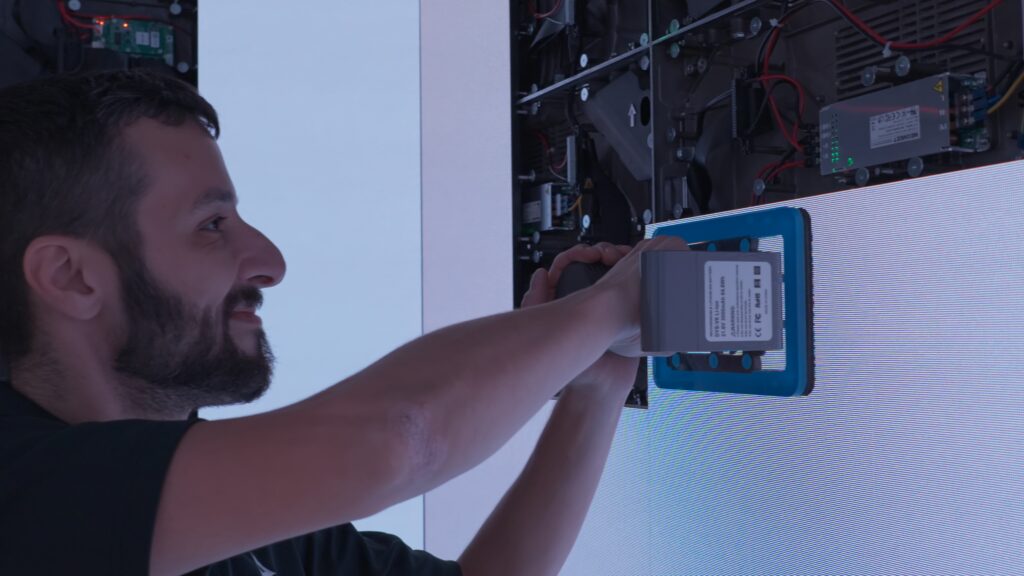
360° LED Rooms. We designed and built a fully immersive LED environment for Burns & McDonnell's headquarters. Walls, ceiling, every surface radiating synchronized content. You walk in and the room swallows you. The architecture disappears. You're inside the content. They use it for client presentations, team experiences, and moments that make people rethink what an office can even be.
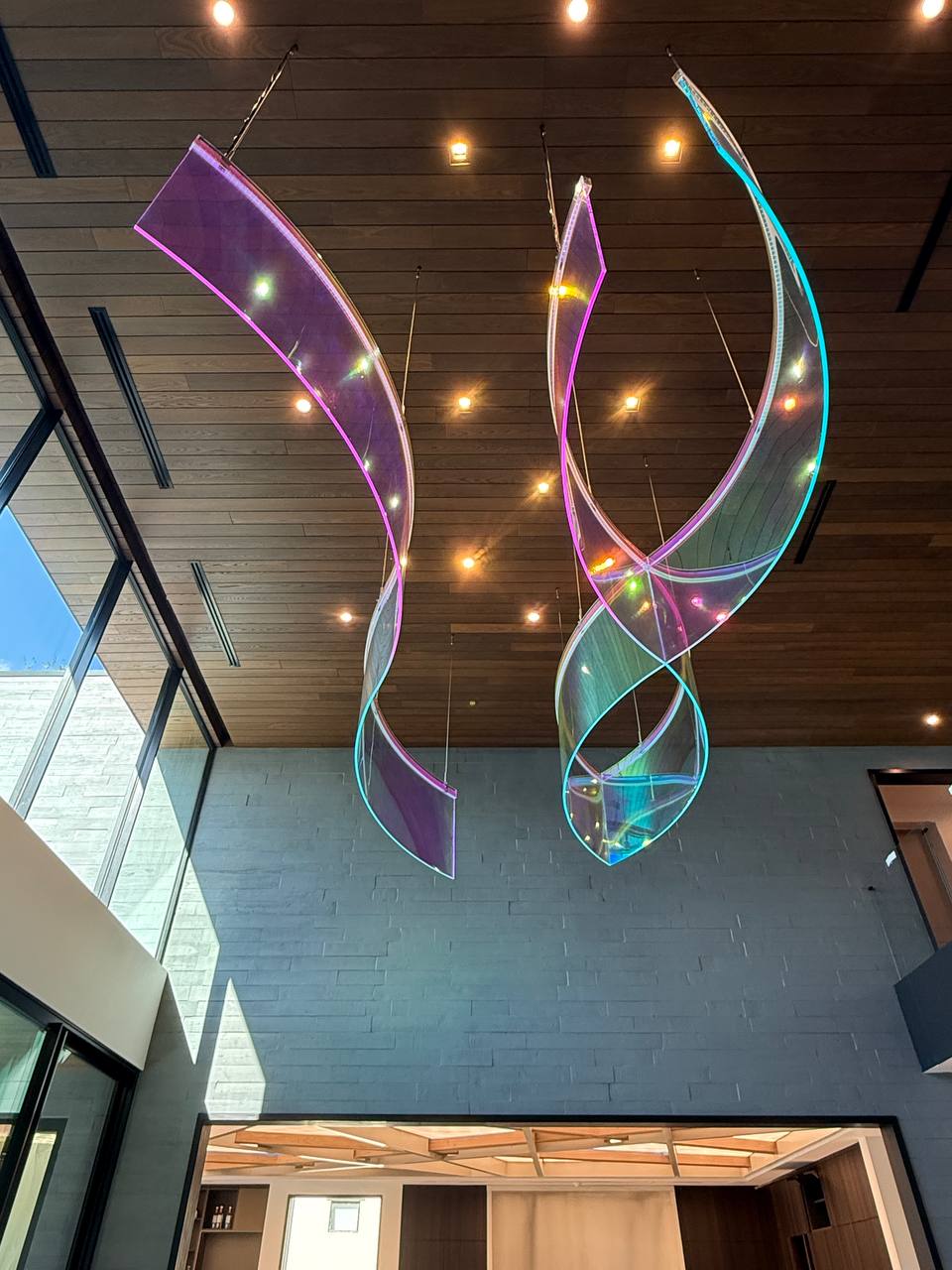
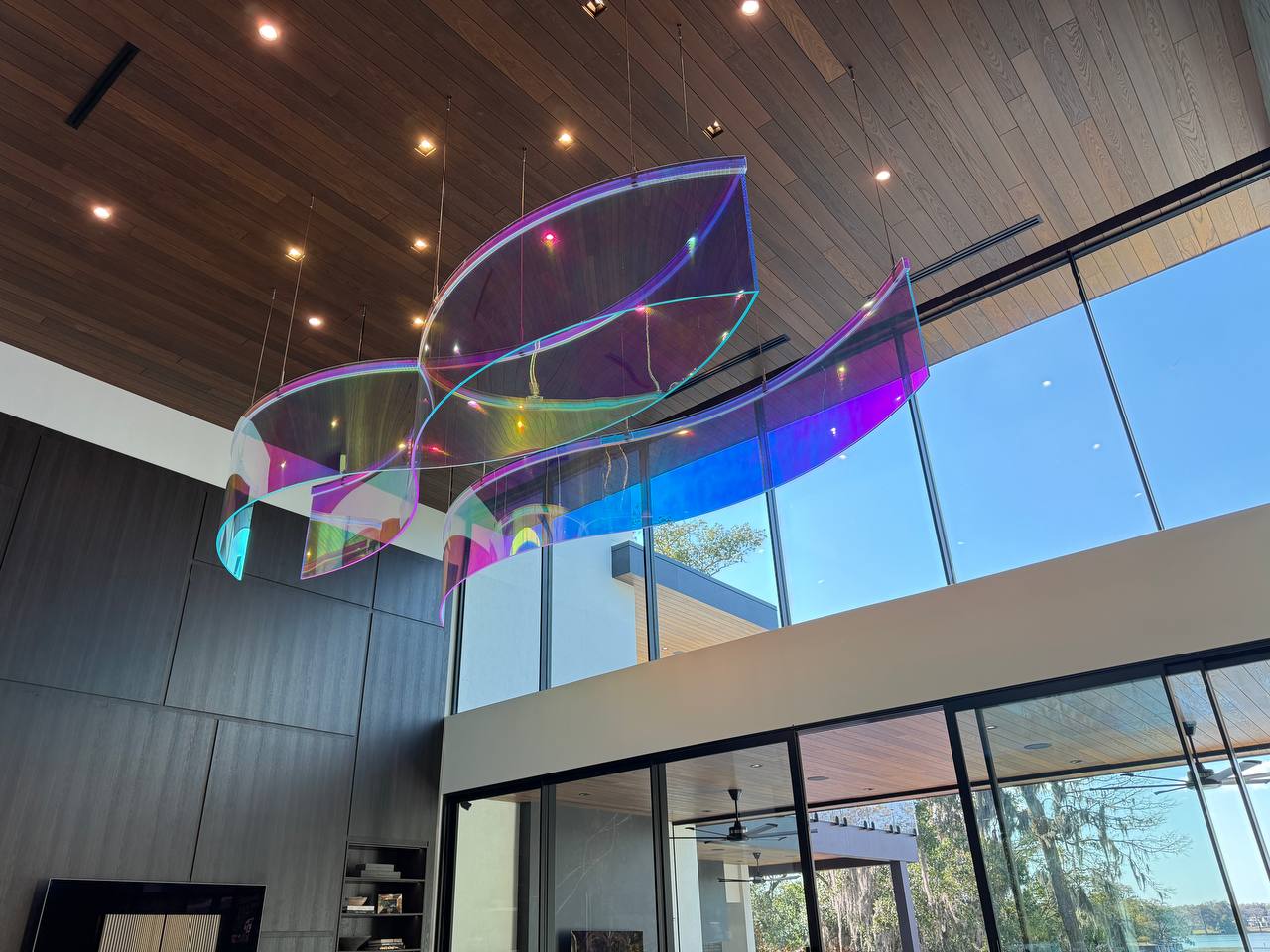
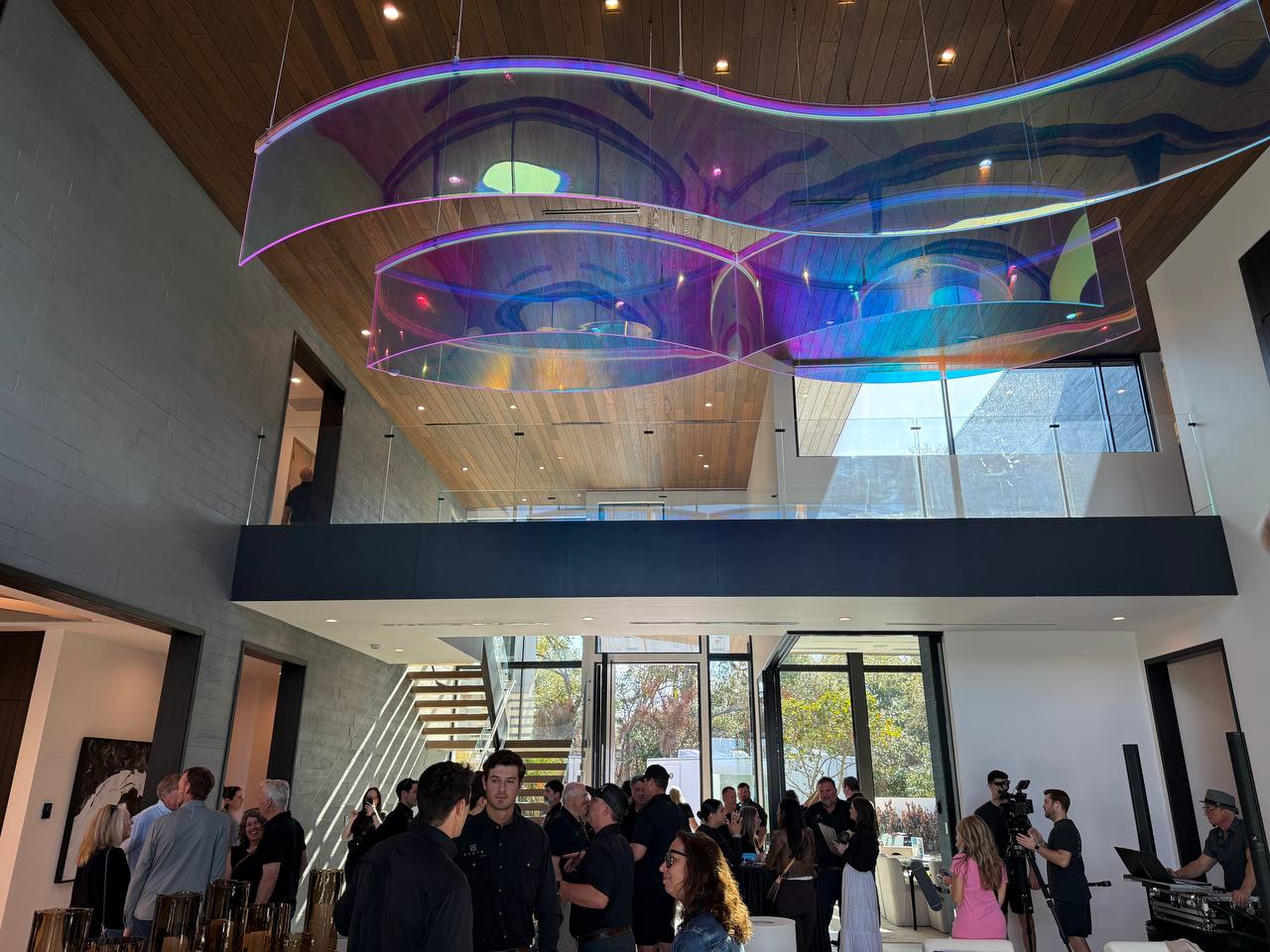
Light Sculptures. Our Spectral Wake installation at the New American Home 2026 is a dichroic light sculpture that turns an entire living space into a prism. Sunlight splits through the panels during the day, painting shifting rainbows across walls and floors. At night, LEDs take over. It's not decoration, it's an environment that breathes with the light.
Interactive Exhibits. Science centers and museums have been doing this for decades. Places like the Orlando Science Center create spaces where visitors don't just look at information, they touch it, move through it, discover things, play. The exhibit IS the experience, and the visitor is part of it, not just watching.
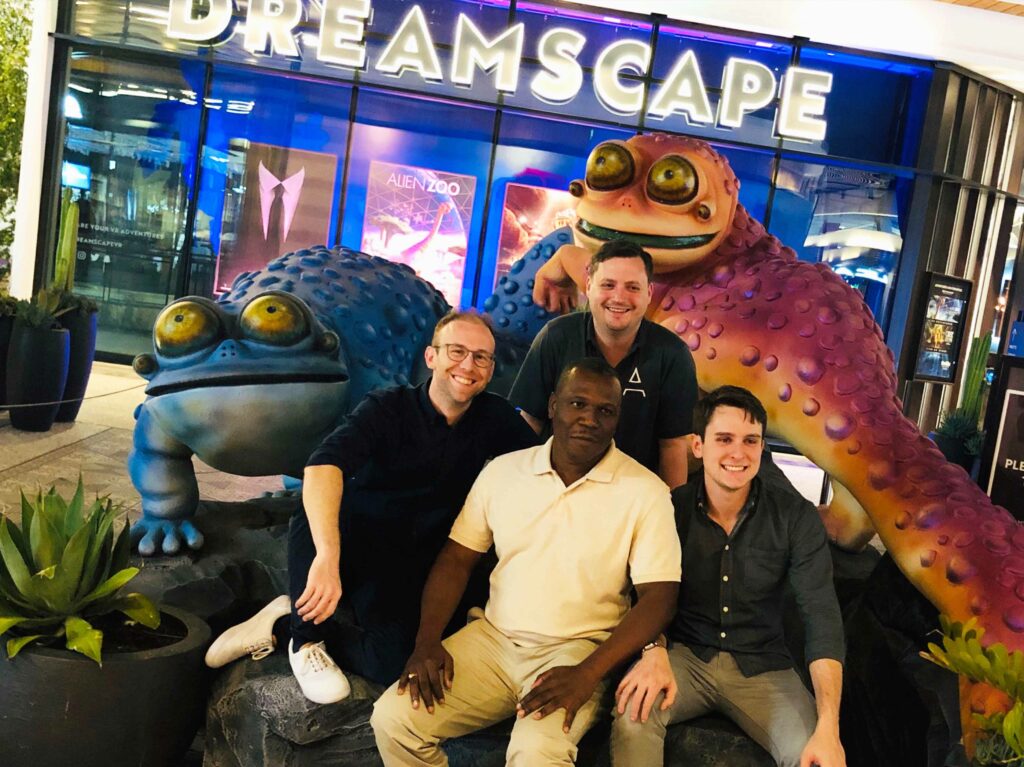
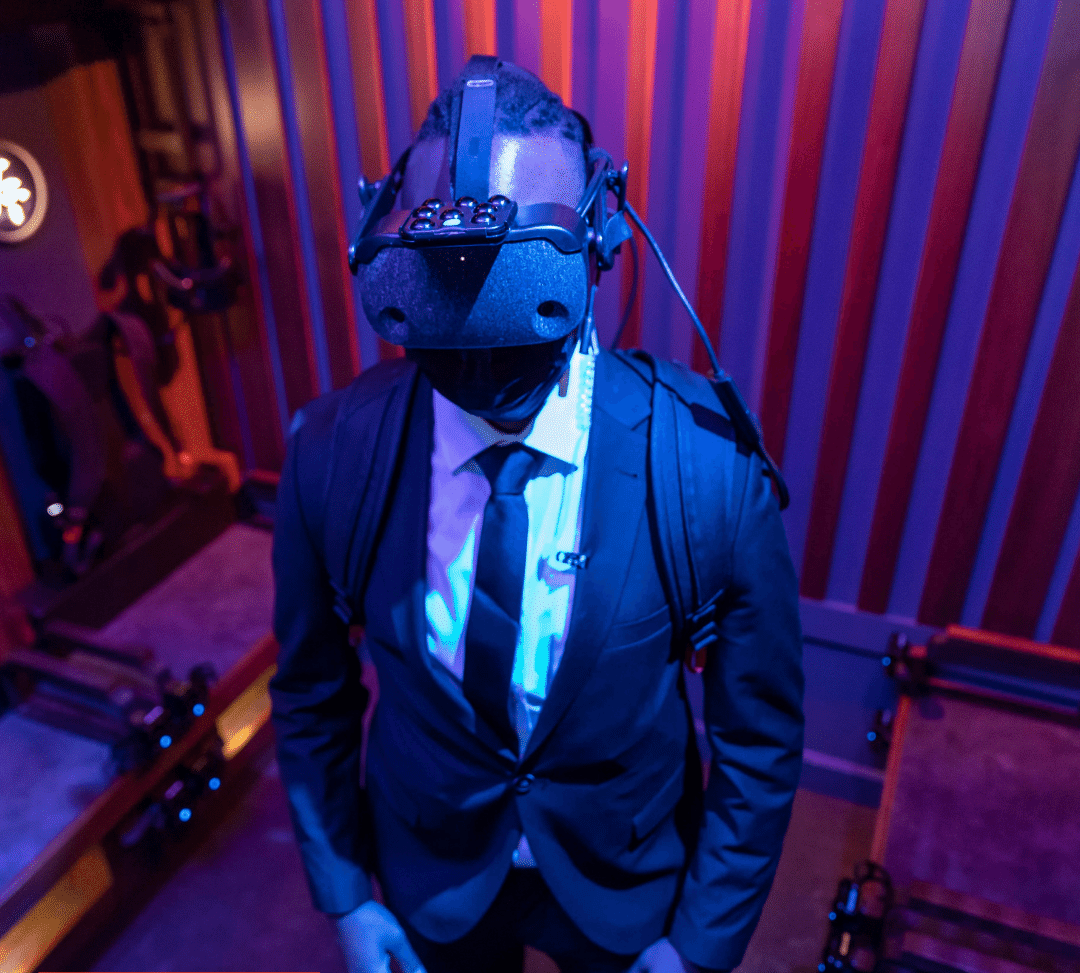
VR and Immersive Venues. Places like Dreamscape take it fully virtual, purpose-built spaces where physical architecture, VR, and storytelling combine into shared experiences that genuinely transport you. You walk through a space with other people and inhabit a story together. It's incredible.
Why Businesses Invest in Experiential Design
This isn't art for art's sake. There are real, measurable reasons why businesses are investing in this.
- Engagement. People spend more time in spaces that captivate them. A hotel lobby with an immersive art piece isn't just prettier, guests linger, explore, take it in. Dwell time goes up. Satisfaction goes up.
- Brand Loyalty. Experiences create emotional connections that product features never will. When someone walks into your space and feels something unexpected, that memory sticks. They don't just remember your brand, they feel it.
- Social Sharing. An LED art wall in a hotel lobby generates thousands of organic posts from guests who can't help pulling out their phones. You literally cannot buy that kind of marketing.
- Real Feeling. At the deepest level, experiential design creates spaces where people feel something genuine, wonder, calm, joy, awe. In a world that's increasingly digital and disconnected, those moments matter more than ever.
Where You'll Find It
It's showing up everywhere. Hospitality is leading, hotels, resorts, and restaurants investing in signature art and immersive environments to stand out. Corporate spaces are evolving past the boring conference room into environments that actually inspire people. Museums are blending physical and digital in ways that make traditional exhibits feel flat.
Public spaces, parks, plazas, transit hubs, are commissioning large-scale art that turns the everyday into something extraordinary. Entertainment venues keep pushing what's possible, blurring the line between audience and performer, real and virtual.
The common thread? Everyone's figured out that in a world of infinite content, the most powerful thing you can offer someone is a moment. A real, physical, sensory experience that no screen can replicate.
Our Approach
"The canvas is the space. AV is the paint."
That's how we think about every project. We don't start with equipment lists or product catalogs. We start with the space and the story. What is this place trying to say? How should someone feel when they're in it? What's the experience of moving through it?
From there, we bring together the art, technology, and craftsmanship to make it real. Sometimes that's a massive LED installation. Sometimes it's a single light sculpture that transforms a room with nothing but sunlight and geometry. Sometimes it's a multi-room experience with projection, sound, interactivity, and lighting all working together.
The medium changes. The philosophy doesn't. Art leads. Technology supports. The experience is everything.
If you've been thinking about what experiential design could do for your space, hotel lobby, corporate headquarters, museum, or a home that deserves way more than a flat screen, let's have that conversation. This is what we live for.