Most corporate AV purchases happen because someone important asked for something shiny. A C-suite executive visits another company, sees a fancy videoconference system, and decides they need that look. So the AV integrator gets called, the spec sheet gets shiny, and someone cuts a check for equipment.
That's how you end up with corporate AV systems that looked great on day one and by month six nobody wants to use because they're complicated, unreliable, or both.
Good corporate AV is built for the long game. Reliability first. Scalability second. Support third. And yes, it needs to look professional, but that comes after the system actually works.
The Difference Between Corporate AV Done Right and Done Wrong
Wrong: You have a Zoom room that only works if someone from IT sets it up. You have a boardroom that can do presentations but not calls. You have a 360-degree experience space that nobody knows how to operate. You have three different control systems because different spaces got different vendors. You have no way to check if the system is even working right now. You have to call the integrator every time something changes.
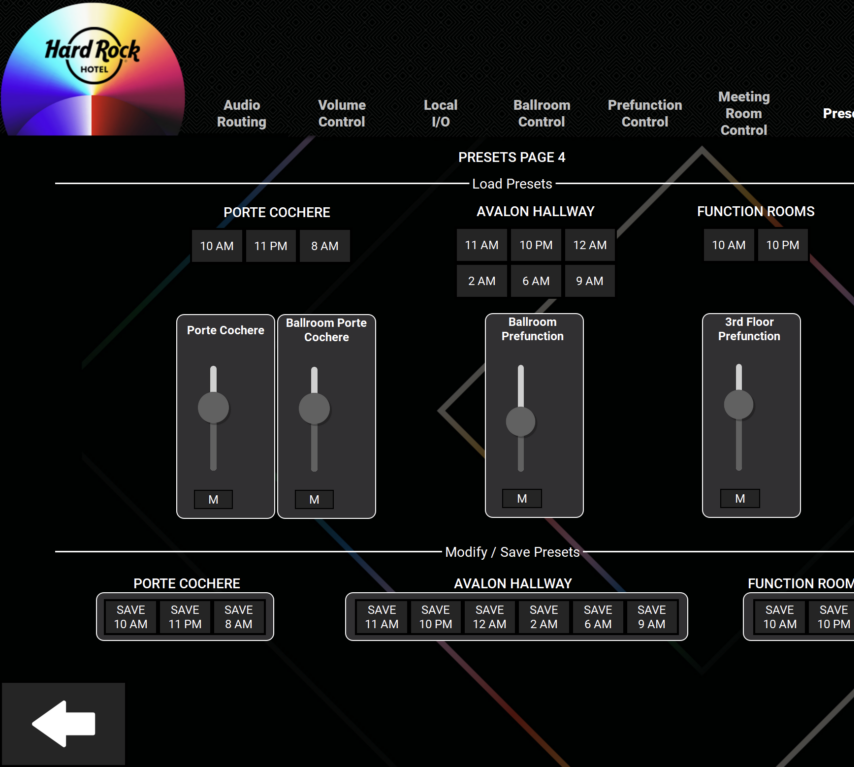
Right: Your teams use the spaces intuitively. Video calls work. Presentations work. Content routers seamlessly. Multiple formats and sources happen automatically. One unified platform manages everything. You can monitor and manage systems remotely. Your IT team can adjust settings. Your facilities team can reset things. Issues get fixed before they impact meetings.
The difference isn't equipment. It's architecture.
What Corporate Spaces Actually Need
Corporate environments are different from hospitality or educational institutions. Your spaces need to be professional, quiet, reliable, and adaptable. Your users aren't AV technicians, they're executives and staff who need tech to get out of their way.
This is what matters:
- Reliability, a broken system in a boardroom during a client call costs more than good AV costs
- Scalability, you might add spaces or rebuild offices. Your system needs to grow with you
- Vendor-agnostic architecture, don't lock yourself into one platform that only one company can support
- One system that does it all, not separate islands of equipment that fight each other
- Support after installation, a 24/7 helpdesk means issues get fixed, not watched
- Simple interfaces, your CMO shouldn't need training to present. Your facilities team shouldn't need an AV degree to fix something
Real Examples: How We Build Corporate AV
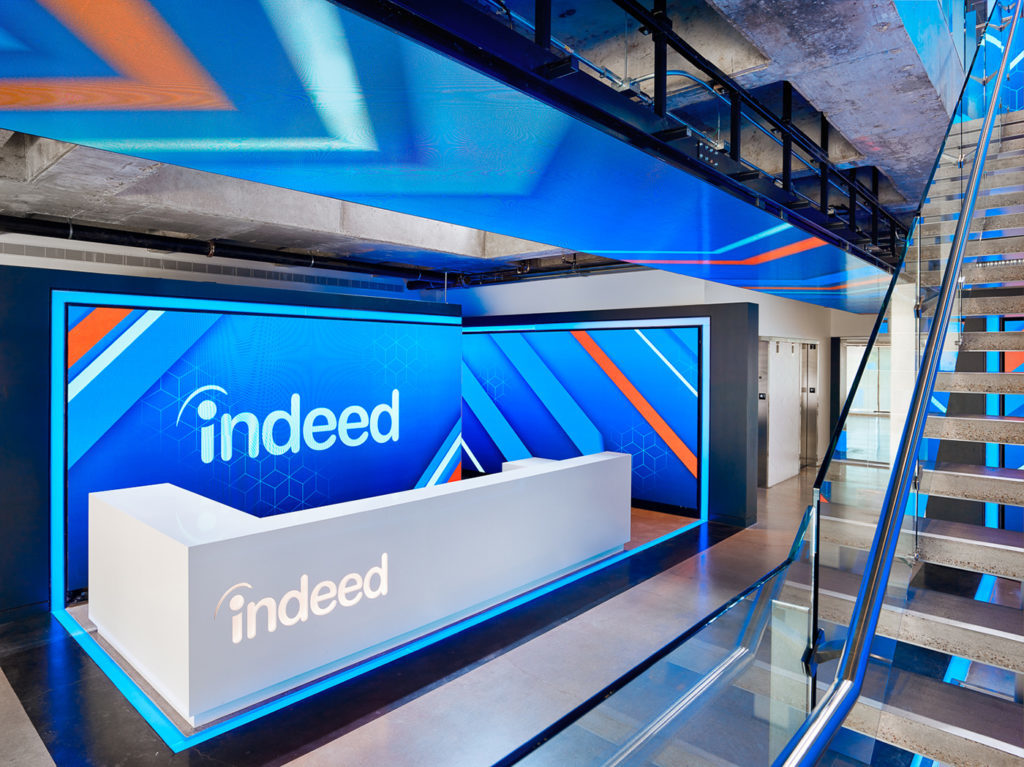
At Indeed's Orlando facility, we built a system that handles everything from one-on-one video calls to company-wide events, from day-to-day office AV to large presentation spaces. It's all on one platform, all manageable centrally, all simple to use. Their facilities team can manage it. Their IT team understands it. And we monitor it 24/7 so they never deal with downtime.
At Darden's corporate headquarters, we designed a system for their boardrooms and presentation spaces that could scale as they expanded. Different vendors for different parts of the system would have made that a nightmare. One cohesive architecture means they can grow without reworking everything.
At Burns & McDonnell's 360-degree immersive space, we built something that feels like magic to use but is actually just well-architected. Video, audio, lighting, control, all talking to each other. It works because the architecture was designed first, equipment was chosen second.
The Hidden Cost of Bad Corporate AV
People don't realize how much bad AV impacts a company. It's not just frustration when a presentation doesn't work. It's lost productivity while IT troubleshoots. It's expensive on-site support calls for simple fixes. It's vendor lock-in where you have to go back to the same integrator for everything because nobody else understands the Frankenstein system they built. It's staff who avoid using spaces because the tech is too difficult. It's meetings that are less effective because video quality is poor or audio is wrong.
And nobody tracks the cost because it's distributed across a dozen departments. But it adds up.
What We Do Differently
We don't sell equipment. We design systems. We walk through your spaces and understand how your teams actually work. Then we architect something that serves your workflow, not the other way around. We build vendor-agnostic solutions so you're not locked into anyone. We design for support so issues don't turn into multi-day problems. And we include 24/7 helpdesk so when something goes wrong at 2 AM before a big presentation, we're already on it.
"The best corporate AV system is the one your team forgets about because it just works, every single time."
Looking Forward
Your corporate AV should be an asset, not a liability. It should adapt as your company grows. It should support remote and hybrid work seamlessly. It should be easy to use and hard to break. And it should be built by people who actually care about your success, not just about getting paid for equipment.
If your corporate AV feels like a headache or you're planning new spaces and want them done right the first time, let's talk about what a modern system could look like.