Living Down the Road From the Best Show Control in the World
Being based in Orlando means we get a front-row seat to the highest bar in themed entertainment anywhere on earth. Every time Disney opens a new attraction, the AV and integration community here pays close attention, not to copy the IP, obviously, but to study the engineering underneath the story. And the throughline across Disney's newest generation of attractions is clear: the blend of practical, physical effects with digital projection and screen-based content has gotten dramatically more seamless, and the seams themselves are exactly what's disappearing.
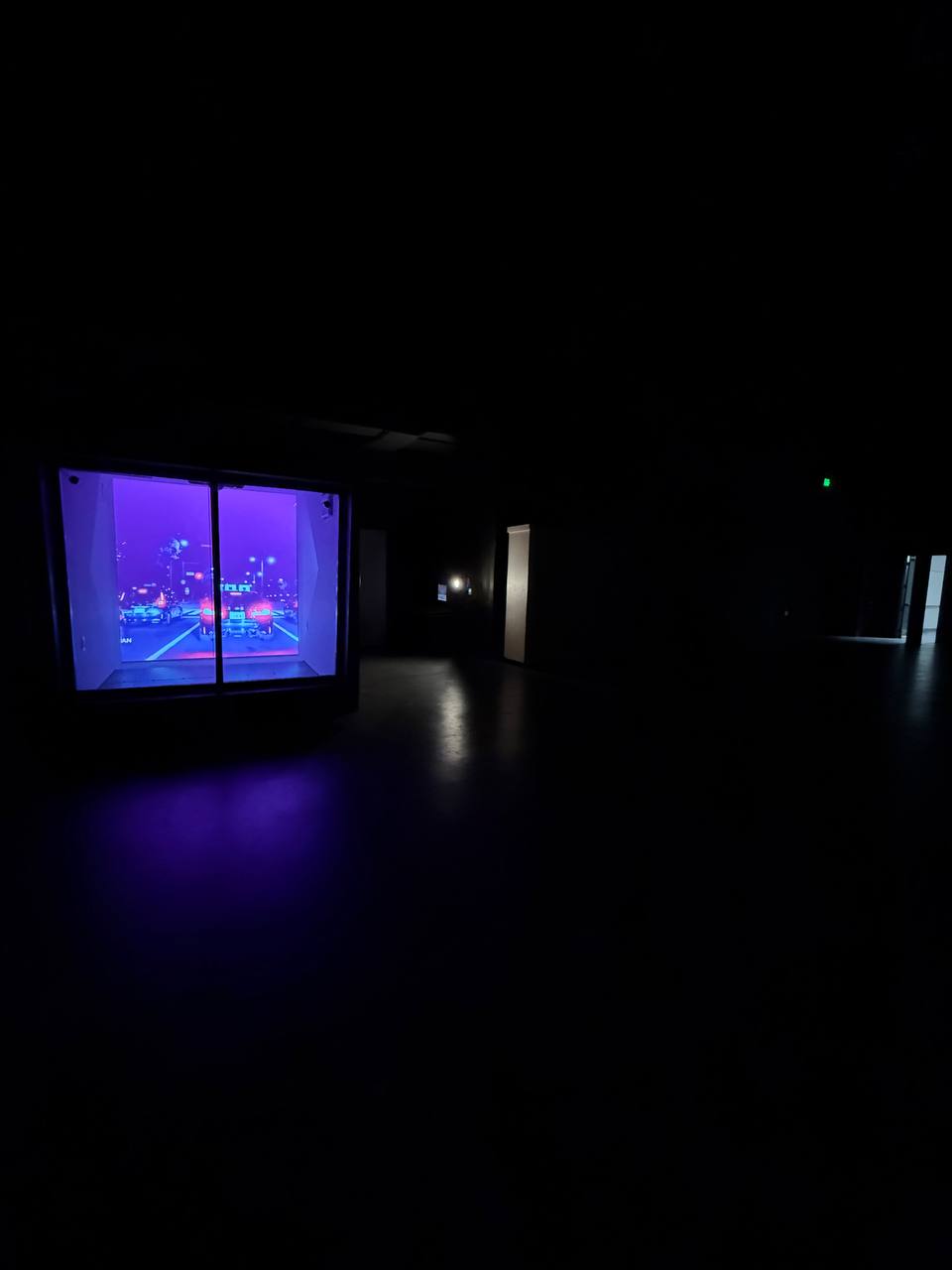
Older-generation dark rides tended to separate their tricks, an animatronic did its thing in one scene, a projected screen did its thing in the next. What newer attractions do differently is blend those techniques within the same scene, often within the same few seconds, so a guest's brain can't tell where the physical set ends and the digital content begins. That blending is the single biggest lesson worth borrowing, at any scale.
Practical Effects + Projection: Neither One Alone Is Enough
A physical set piece grounds a scene in believable weight and texture that a screen alone can't replicate, light bounces off it correctly, it has real depth, guests instinctively trust it as "real" in a way flat video never quite achieves. But practical effects alone are static and expensive to change. Projection and video content layered on top of practical sets lets a designer add motion, weather, time-of-day shifts, and narrative beats without touching the physical build.
The industry-wide trend among the newest generation of theme park attractions is exactly this hybrid: physical show sets doing the heavy lifting on believability, projection mapping and screens doing the heavy lifting on dynamic storytelling, robotics and animatronics adding movement that can't be faked with light alone. None of these three technologies is trying to replace the others anymore — they're each doing the one job they do best.

Spatial Audio Has Quietly Become Table Stakes
The audio design in modern attractions has advanced just as fast as the visuals, even though it gets less credit. Object-based spatial audio, sound that can be precisely placed and moved through 3D space rather than just blasted from a couple of speaker zones, is now standard practice for top-tier themed attractions. A creature roaring off to your left, footsteps passing behind you, a rumble that seems to come from beneath the ride vehicle, all of it synced frame-accurately to the visual and physical effects happening at that exact moment.
That level of audio precision used to require custom, bespoke engineering only the biggest parks could afford. Multi-zone spatial audio processing has gotten dramatically more accessible in the years since, which is exactly why we're now specifying similar (if more modest) spatial audio approaches for corporate immersive rooms and branded experiences well outside the theme park world.
The technology used to be the differentiator. Now the differentiator is how invisibly all of it works together.
What Smaller Venues Can Actually Borrow
Nobody outside the biggest parks is installing full animatronic figures or custom show sets at that budget level, and that's fine, that's not the lesson. The transferable lesson is the show-quality discipline behind the blend:
- Design every effect, lighting, audio, video, to hit the same emotional beat at the same instant, not in isolation
- Use physical elements (textures, materials, real objects) to ground digital content in believability
- Treat spatial audio as essential, not optional, once you're building anything meant to feel immersive
- Run everything off one synchronized show control timeline so nothing can drift out of alignment
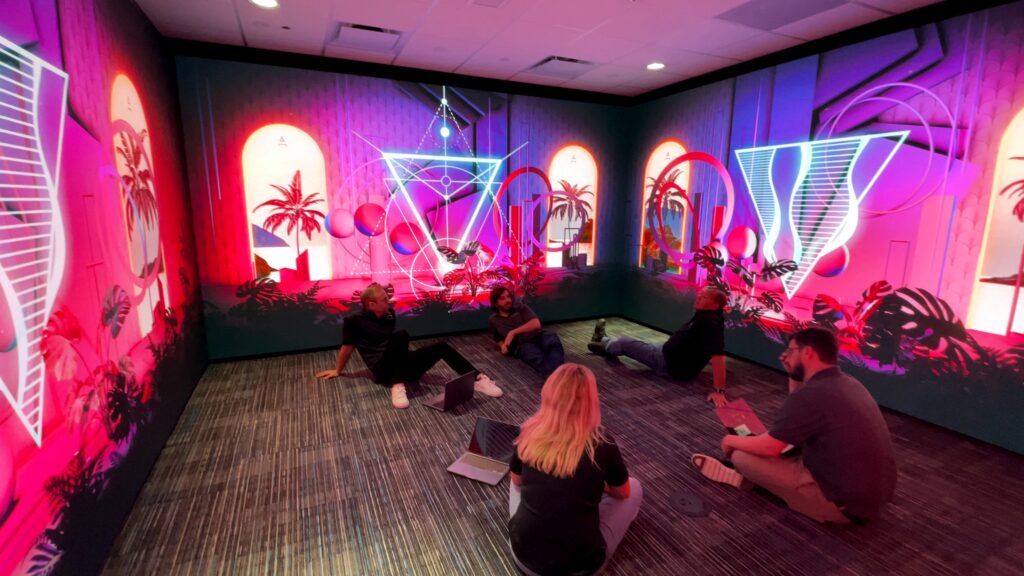
A corporate briefing center, a hotel lobby activation, or a branded pop-up experience can absolutely apply that same blend-don't-separate philosophy, a physical set element paired with projected content and object-based audio, all synced to one show control system, at a fraction of theme-park scale and budget, and still land a genuinely impressive guest reaction.
The Real Takeaway: Integration Quality, Not Just Technology
What actually separates a great themed moment from a mediocre one was never really about which individual piece of gear was used. It's about how tightly integrated the systems are, and how disciplined the show control programming is behind the scenes. That's the exact same principle whether you're talking about a nine-figure attraction or a six-figure corporate activation, and it's the discipline we bring to every themed and experiential project we build. If you're chasing that level of show-quality integration for your own space, our themed entertainment team would love to talk through what's realistic for your project, reach out anytime.