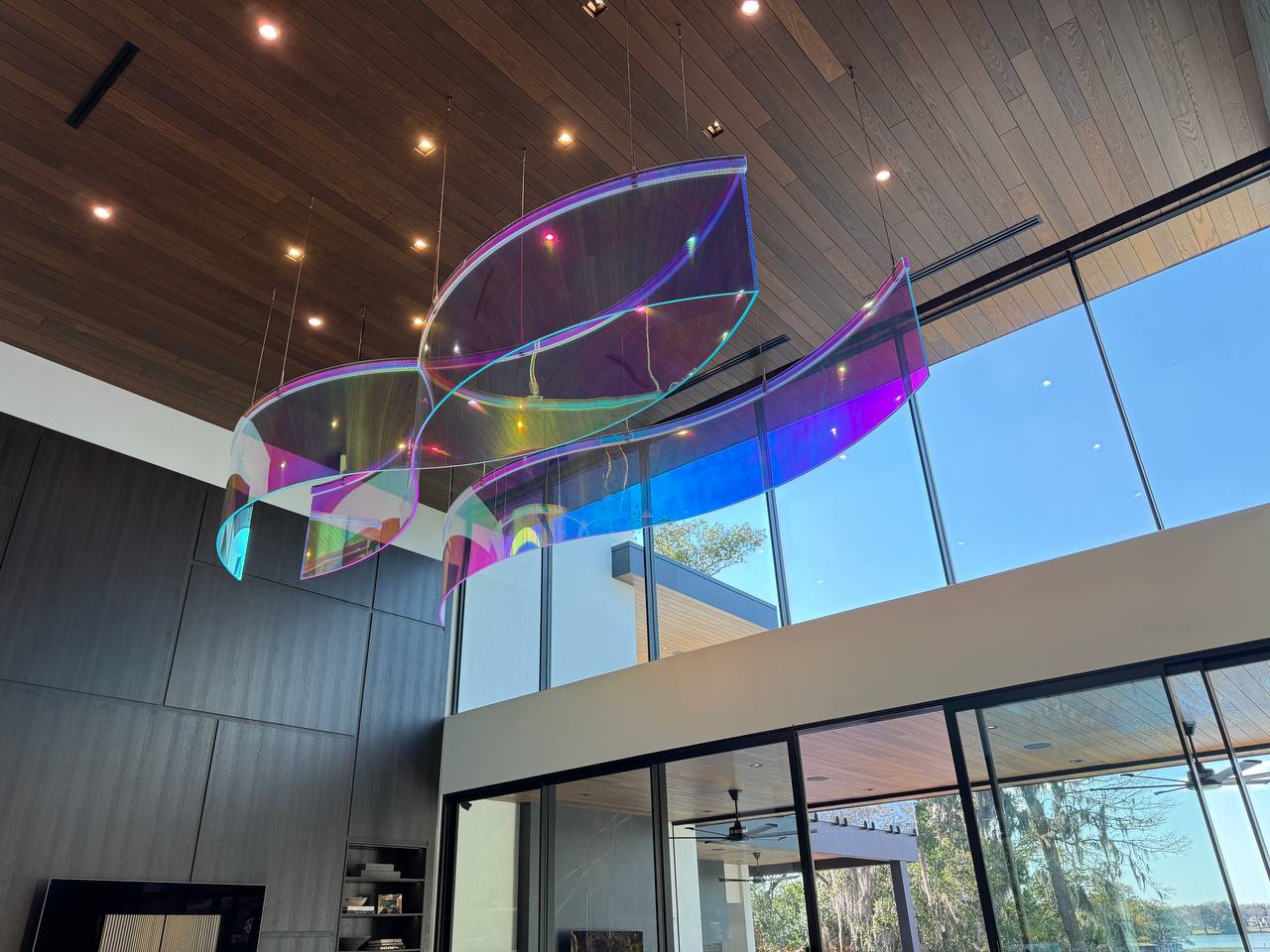
Tampa has one of the strongest arts institutions in the state, and the Tampa Museum of Art is one of our longest-standing museum clients. We are now working on our third project together, a new audio and video upgrade for their galleries, following two previous collaborations. That kind of repeat relationship is exactly what we build our museum practice around, and it has us thinking about what museums actually need from an AV partner, versus what most AV vendors show up offering once and never see again.
Museum AV Is a Different Discipline
A corporate lobby wants a video wall people notice. A museum wants exactly the opposite. The best museum AV work is invisible until the moment it matters, a shift in light that reveals a new layer in a painting, sound that follows you through a gallery without ever feeling like it is coming from a speaker, a projection surface that turns a blank wall into a moving canvas without a visible seam or a hot spot.
That is a design discipline, not just an install job. It means understanding conservation requirements around light and heat, understanding how visitors actually move through a space, and understanding that the technology's whole job is to serve the art, not compete with it.
What We Bring: Projection Mapping and Interactive Exhibit Design
Our own approach to this comes out of a project that has nothing to do with a traditional museum on paper, but everything to do with it in practice: ArtCube, an immersive projection-mapped gallery we built inside a converted shipping container for UCF's Creative Village. Glass windows on the front, container doors that open to reveal LED and projection walls inside, all run through Resolume media server software so the space can host a completely different artist and a completely different visual experience every month.
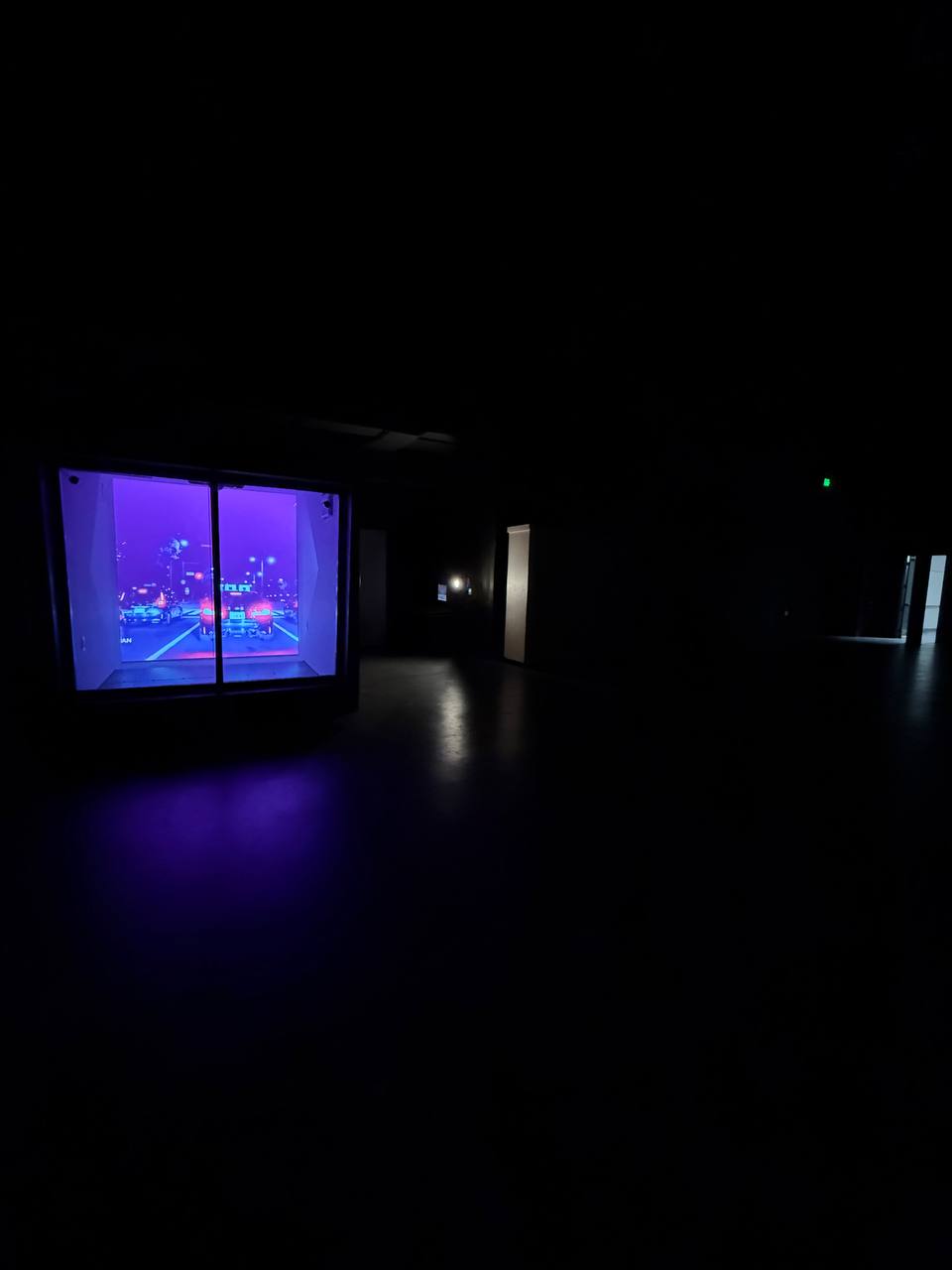
That project taught us the exact skill set a museum needs from a technology partner: how to spec projection systems that hold their calibration over months of daily use, how to build content management systems flexible enough that curators can swap exhibits without calling in an integrator every time, and how to design control systems simple enough for museum staff, not just AV engineers, to run day to day.
"The best exhibit technology is the kind visitors never think about, they just remember how the room made them feel."
Beyond the Install: A Partner That Keeps Showing Up
A museum's technology needs do not end at opening night. Exhibits rotate, projectors need recalibration, lighting rigs need programming updates, and something in a 24/7 public space eventually needs a repair call at an inconvenient hour. That is exactly why the Tampa Museum of Art keeps bringing us back: we are not a one-time install, we are the team they call when an exhibit changes, when a projector drifts out of alignment, or when a new interactive piece needs its first system built from scratch. Three projects in, that relationship speaks for itself.
If your museum, gallery, or cultural institution in Tampa or anywhere else is thinking about projection mapping, interactive exhibit technology, or a long-term AV partner instead of a one-off vendor, let's talk.