theCube
Orlando Deserved This
Orlando is home to Disney Imagineers, Universal Creative, EA Games, Full Sail University, UCF, and one of the most concentrated pools of creative talent on the planet. But in 2018, the city had no permanent digital art installation that reflected that identity. No equivalent to Chicago's Crown Fountain, no answer to Times Square's artistic moments, no public canvas for the thousands of artists living and working here.
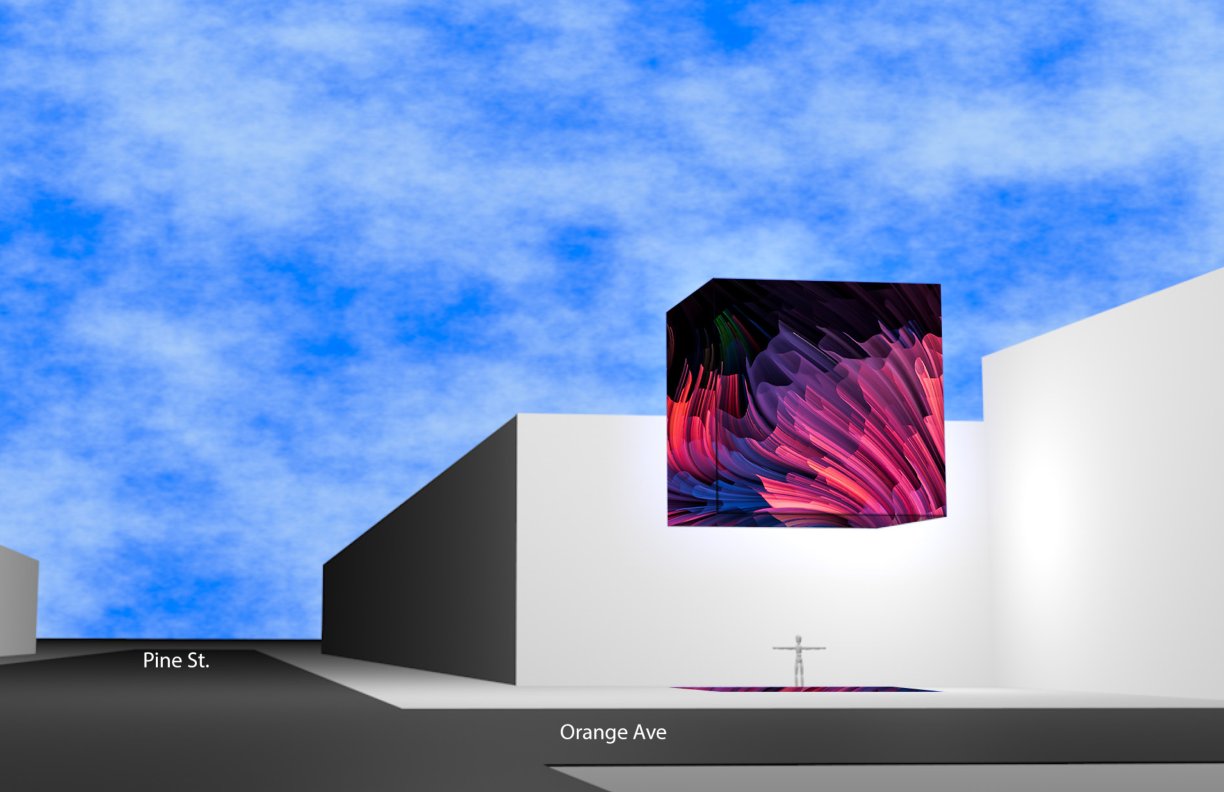
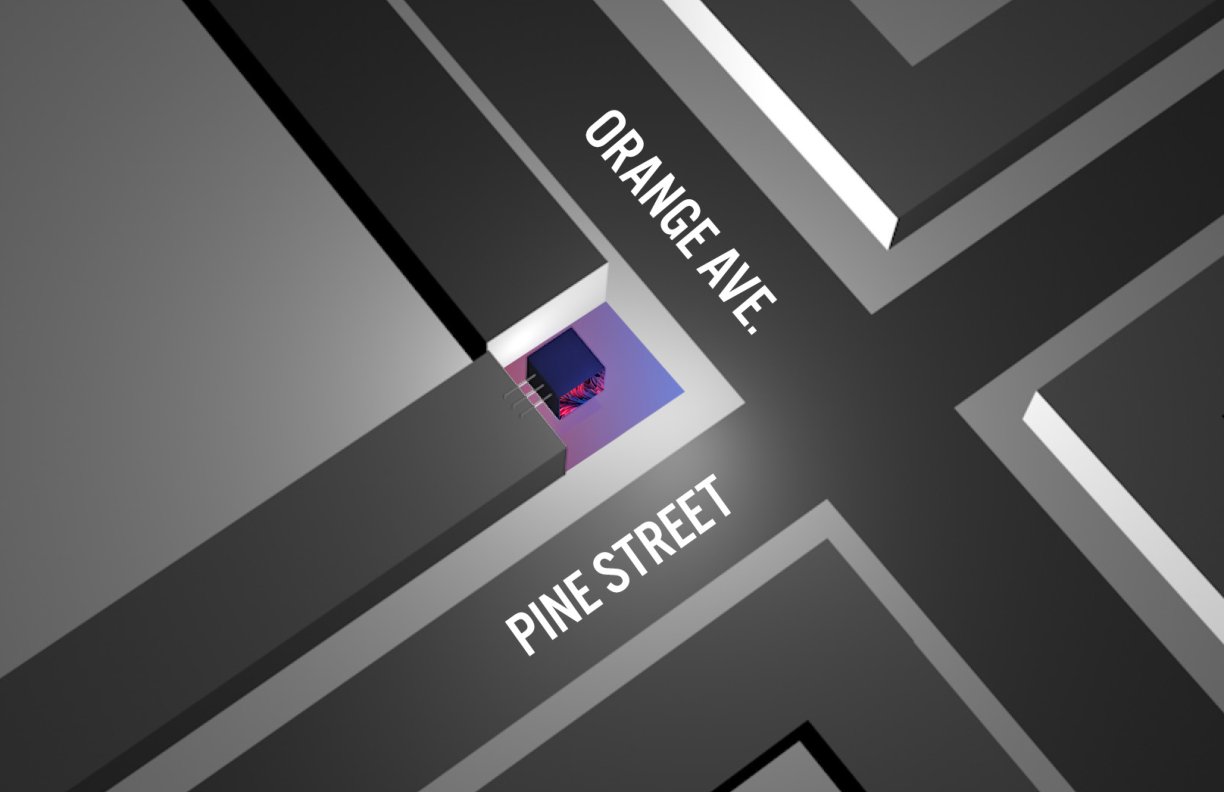
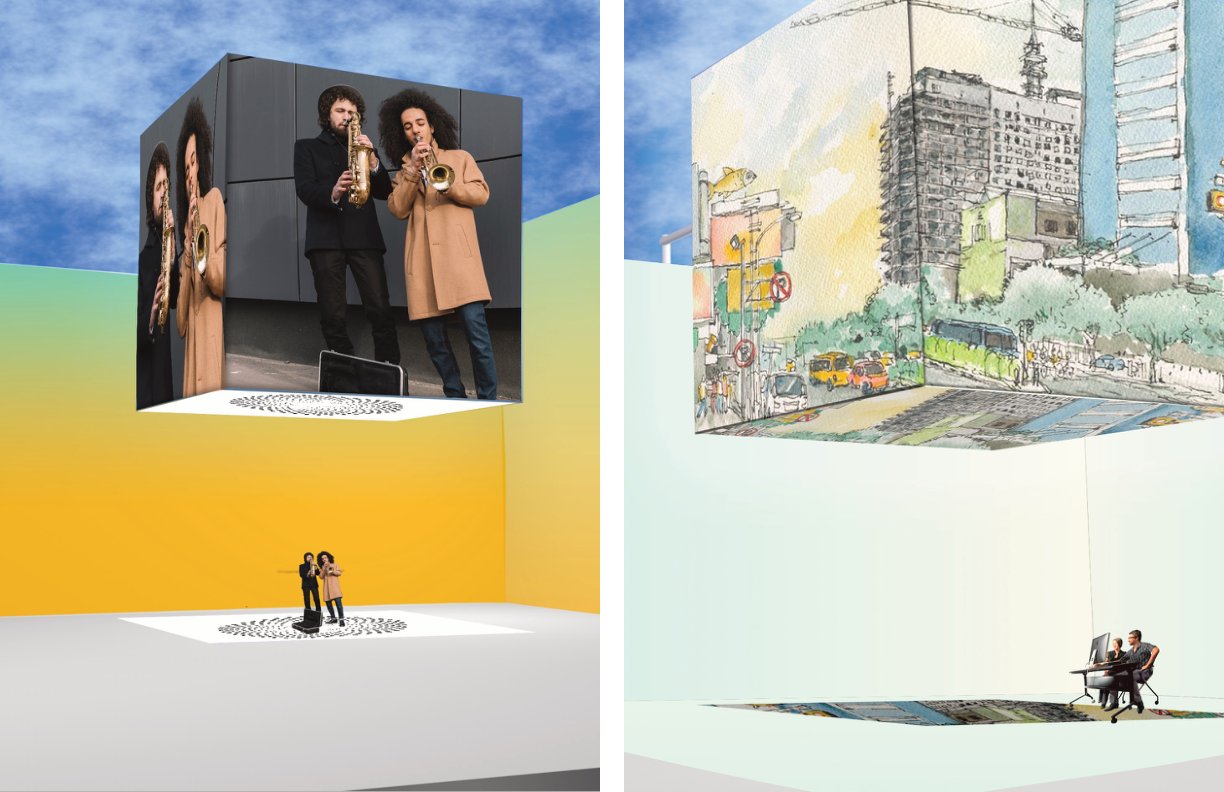
theCube was designed to change that. A massive 25-foot cube hovering 18 feet above street level at the corner of Orange Avenue and Pine Street — one of downtown Orlando's most visible intersections. Not a billboard. Not a jumbotron. A piece of public art that happened to be made of light.
Unlike Anything, Anywhere
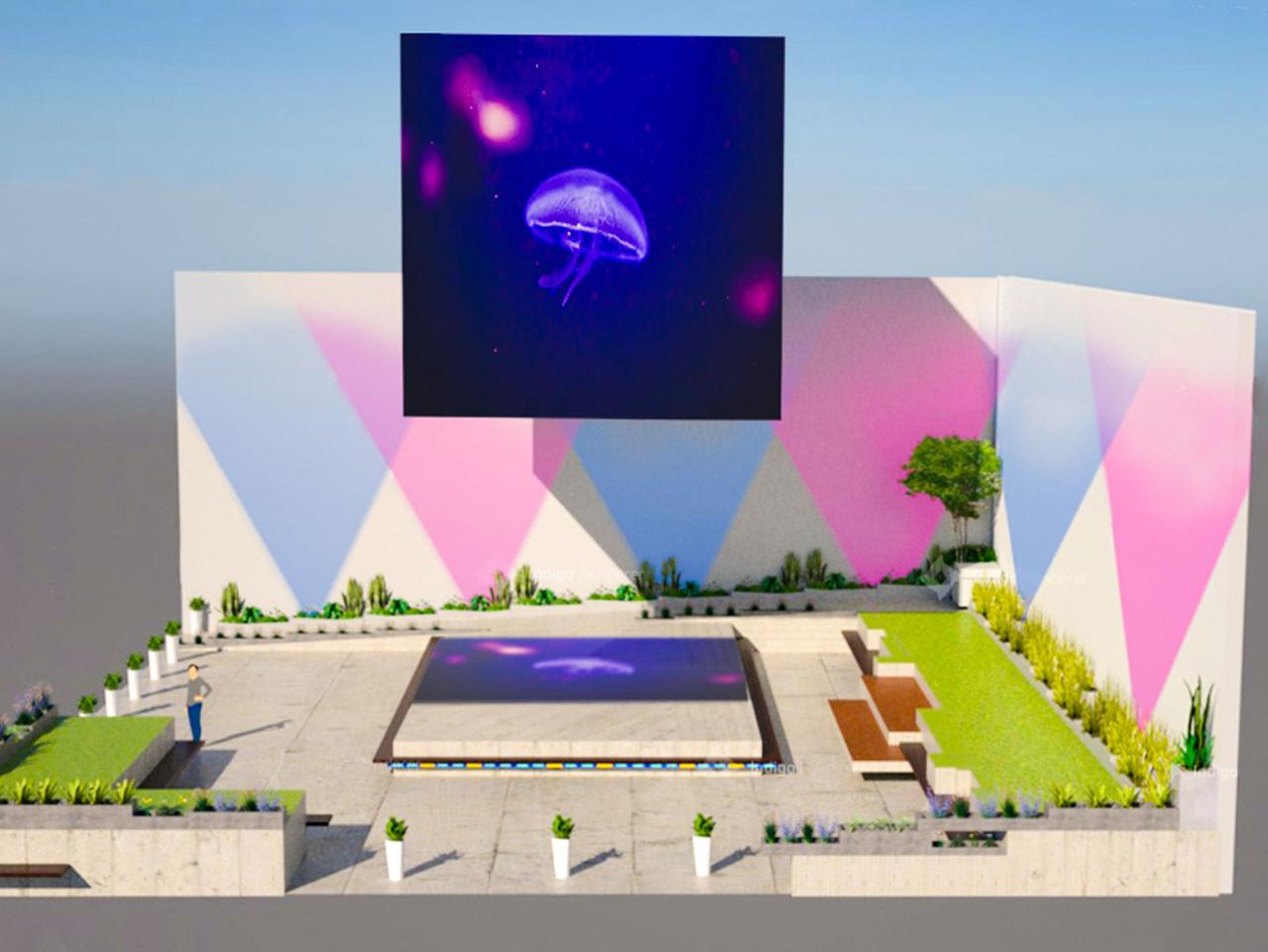
Three seamless LED video walls — front, side, and bottom facing down — wrapped around an aluminum frame suspended from steel beams bolted into the adjacent building. Eighteen LED full-color moving lights mounted around the cube, projecting color washes onto the white-painted walls of the surrounding buildings. The architecture itself became part of the art.
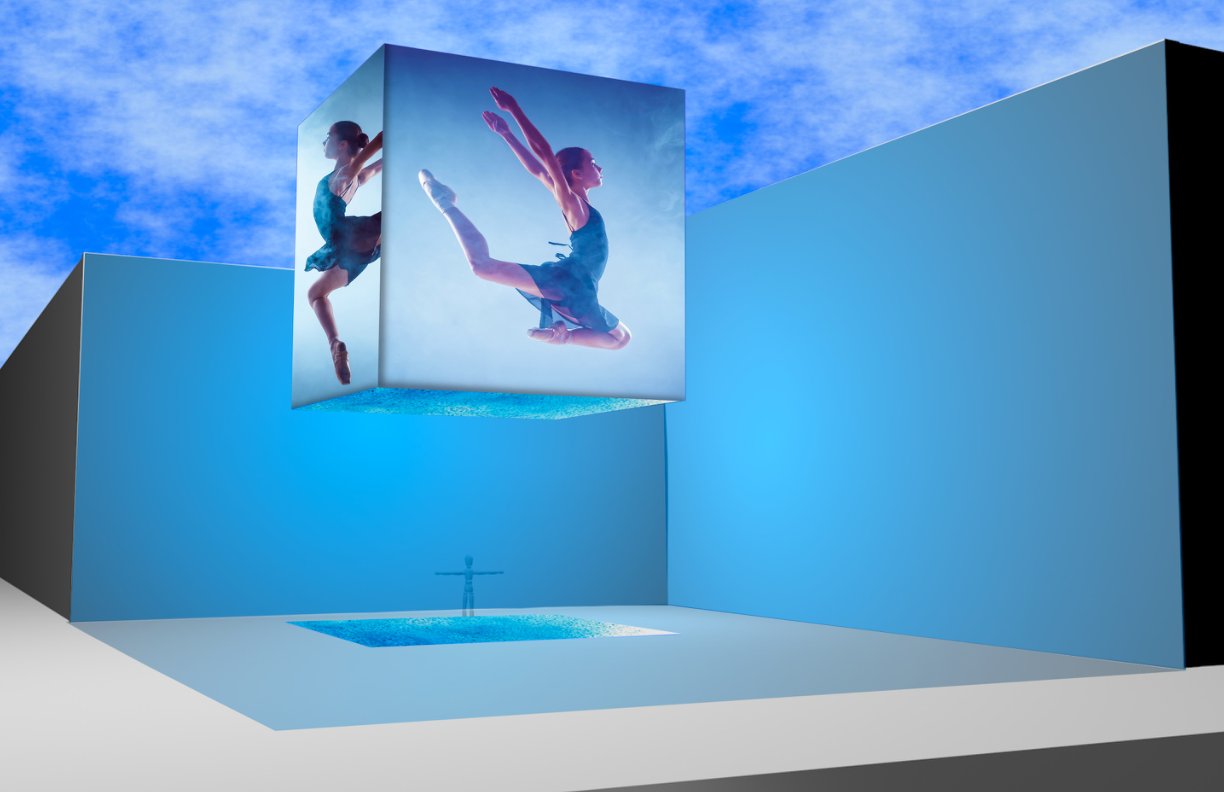
Below the cube, a reflective floor so pedestrians could look down and see the artwork mirrored beneath their feet. An A/V input station at ground level for live interactive art — musicians, painters, performers could plug in and see their work displayed in real time, 25 feet above the street.
A Living Canvas
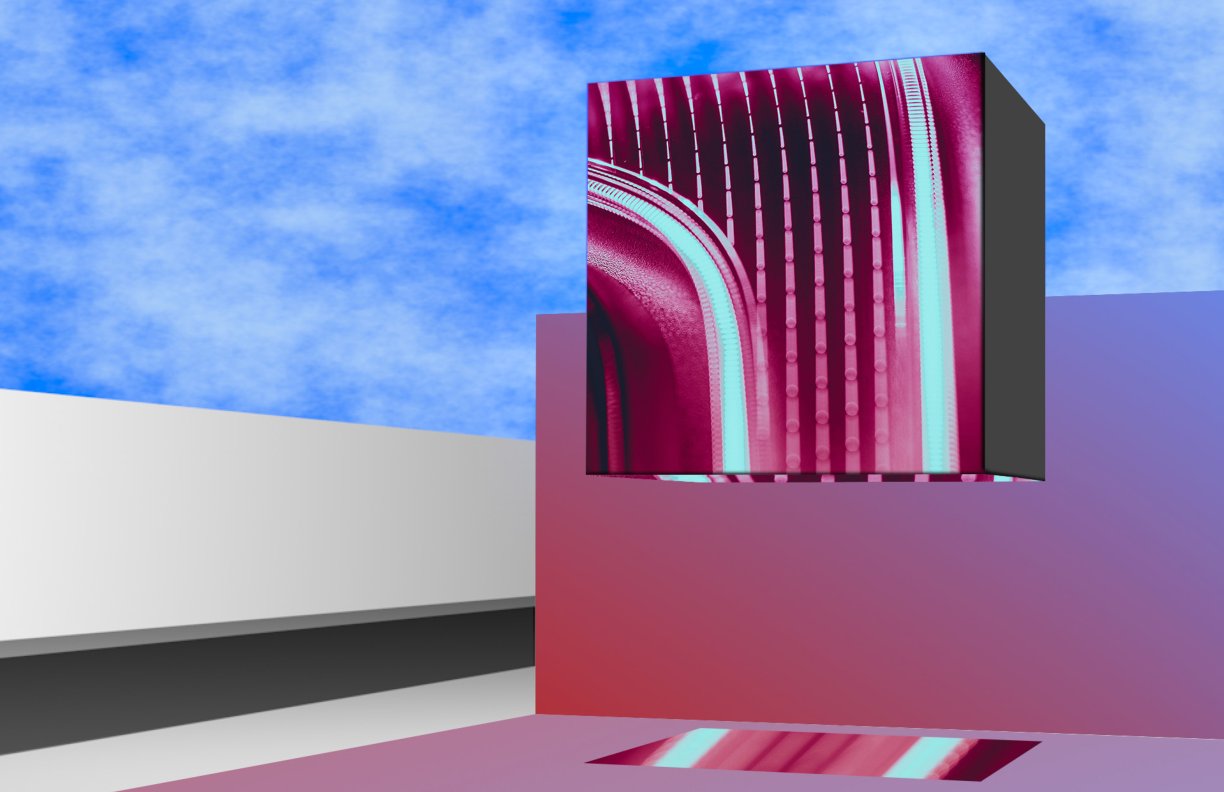
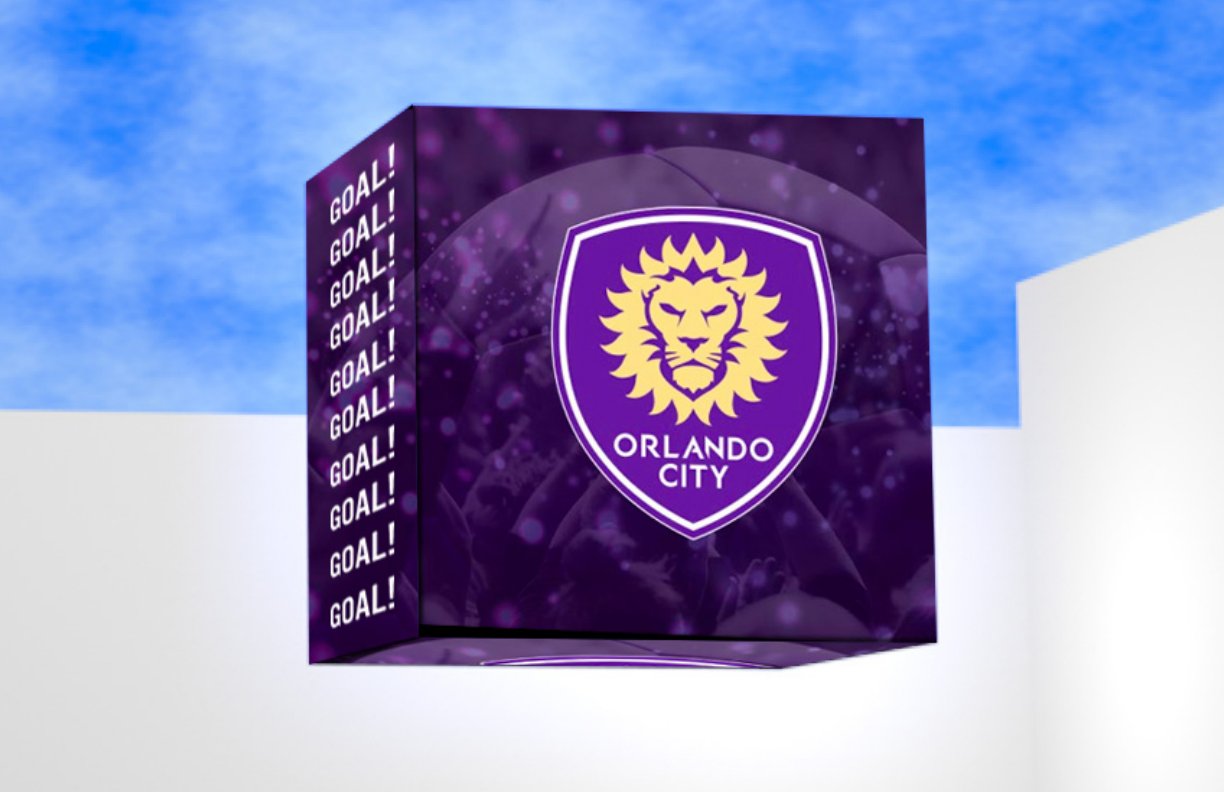
The content was never meant to be static. Rotating artwork from local and international artists. Live performances displayed in real time — a musician plays at ground level and the cube becomes their visual instrument. Orlando City Soccer game content on match days. Holiday celebrations that transform the intersection into something magical.
Even the curated advertisements were designed differently. No product shots. No sales pitches. Only artistic visual content — a ballet dancer from Dr. Phillips Center, an abstract representation of a brand's identity. Because art uses beauty and curiosity to engage, not information.
The Digital Platform
theCube wasn't just a physical installation — it was a platform. A companion website at OrlandoCube.com would stream a live feed of whatever was currently displayed on the cube. Visitors anywhere in the world could watch in real time. Every featured artwork was archived. Artists could submit their work for consideration through the site.
The vision extended into the community: local artists alongside global digital creators, rotating monthly. Special event takeovers for city festivals. The entire operation designed to run seamlessly — content management, artist relationships, hardware maintenance — all handled by the team so the city could simply enjoy it.
More Than a Screen on a Wall
theCube was designed to be a destination. A reason for people to walk downtown, look up, and feel something. The reflective floor, the color washes on the buildings, the live interaction — every element was intentional. You wouldn't just see the art. You'd be inside it.
The city didn't move forward with the proposal. But the concept represents something that still matters: the belief that Orlando's creative identity extends far beyond theme parks, and that public art can be the thing that makes a city feel like it belongs to its people.
Structure
25ft × 25ft cube hovering 18ft above street level. Steel beams into adjacent building, aluminum frame for LED panels
LED Walls
3 seamless LED video walls — front, side, and bottom-facing — delivering continuous visual art from every angle
Moving Lights
18 LED full-color moving lights projecting dynamic color washes onto adjacent white-painted building walls
Interactive
Reflective floor beneath the cube, A/V input at ground level for live interactive art from musicians and performers
"We designed theCube to look unlike any other install anywhere in the world. Art uses beauty and curiosity to engage, not information."Josh Almeida
ArtCube
View Project →